Earthy Canvas
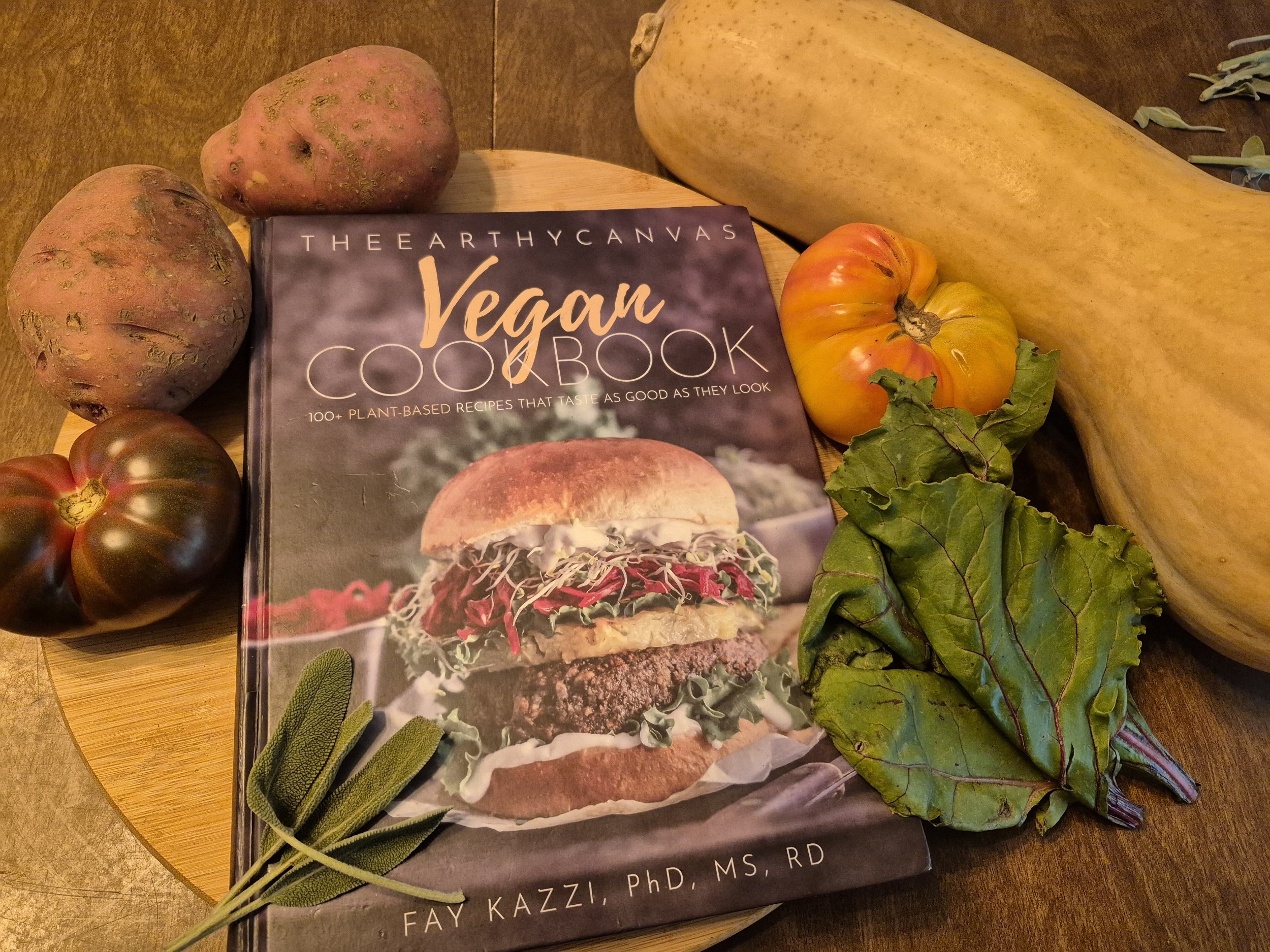
Earthy Canvas Vegan Cookbook by Fay Kazzi, PhD, MS, RD
Vegan Cookbook Review
What I appreciate about this book is that it is more than a plant-based recipe collection; it’s a case for eating as an act of stewardship—of health, community, and creation. Dr. Fay Kazzi writes as both clinician and cook after my own heart using approachable science to ground pleasure-forward food. The book’s purpose is clear: teach home cooks to build deeply flavorful vegan meals while understanding the “why” behind choices—technique, nutrition, and seasonality—so the skills stick long after a single recipe.
A Relatable Author
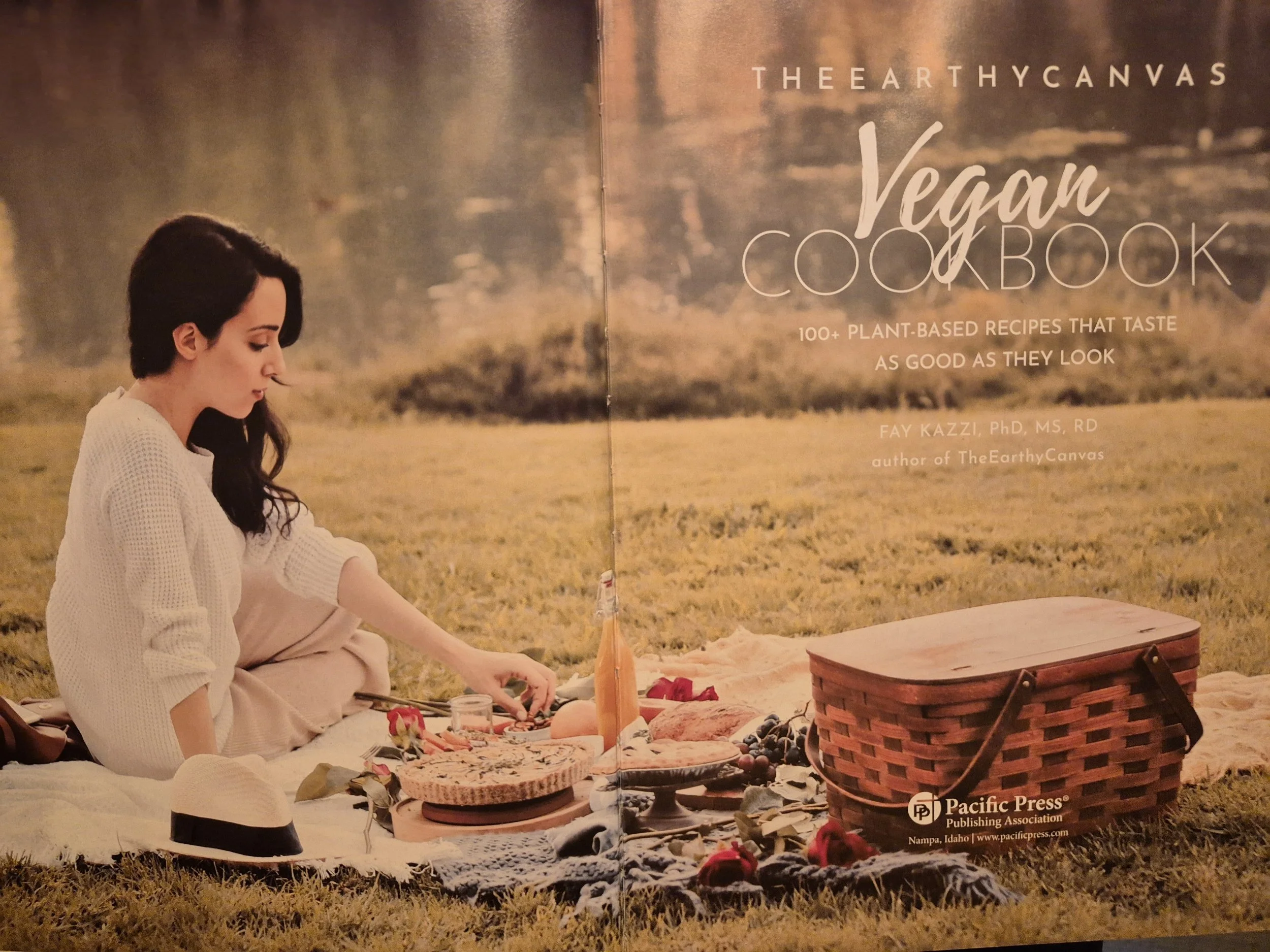
One thing that makes this book a comfort read for me is the personal inflection that the writer has in the introduction showing her relationship with God in reference to how this reveals a different paradigm with food.
I can relate to this.
Key themes and and relatable notations
· Nourishment with intention: The throughline is mindful cooking—layering flavor, protecting nutrients, and serving food that sustains body and spirit.
· In her ethnicity she brings a mediterranean brightness: Citrus, herbs, and spice-forward profiles keep recipes vibrant rather than heavy, showing how to coax depth without animal products.
· Practical nutrition: You’ll find consistent, bite-size guidance on balance (fiber, protein, healthy fats) folded into the cooking flow, not tacked on.
· Hospitality and faith: A biblical verse early in the book frames eating and drinking as acts that can honor God, which Dr. Kazzi echoes in a warm, inclusive tone. It’s admirable because it invites reflection without dogma, and relatable because it aligns with everyday values—gratitude, care, and sharing the table.
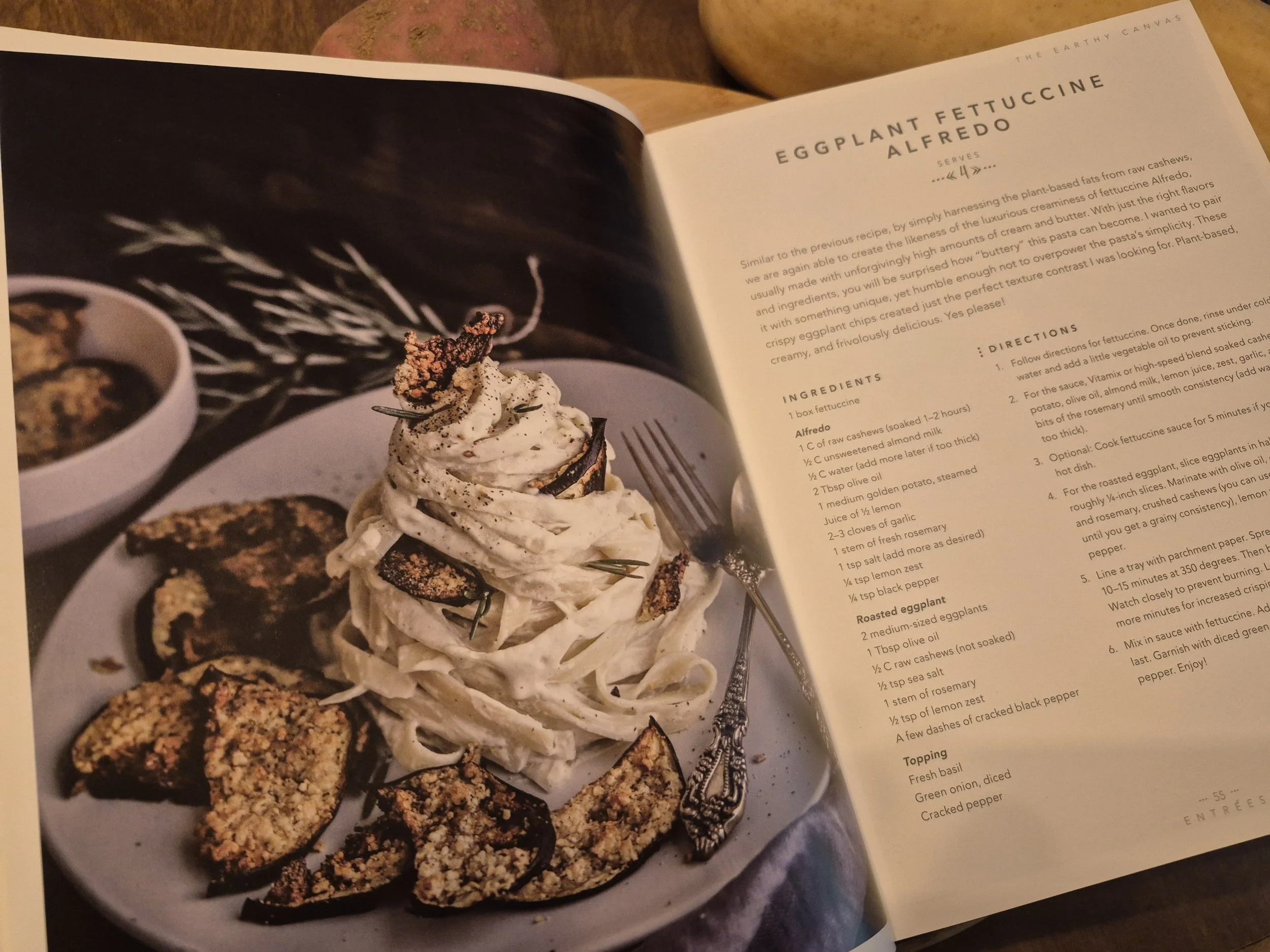
I have always had a difficulty making food beautiful. This books beautiful photography style has inspired me
What feels distinct and insightful
· So many of us are resistant to being “told what to do”, yet Dr. Fay has a teacher’s cadence: Headnotes tend to move in a helpful rhythm—what inspired the dish, a technique cue, a nutrition nudge, then smart swaps. It feels like being coached at the stove rather than lectured from a podium.
· Her impressive technique over trend of flavor balancing: Instead of chasing novelty, the book doubles down on fundamentals—toast spices until aromatic, build acidity in layers, finish with textural contrast—habits that quietly level up everything you cook.
· She uses sauces as a system: A small set of versatile sauces functions like a toolkit; once you learn them, they reappear to transform bowls, salads, grains, and roasted veg with minimal extra work.
· Gentle structure, real-world pacing: The progression from foundations to mains to sweets reads like a kitchen curriculum. Storage and make-ahead notes are folded in at decision points that matter on a weeknight.
Audience fit and context This review is written for home cooks who value flavor, clarity, and credible nutrition, as well as culinary pros seeking a plant-forward point of view grounded in technique. If you’re curious about Mediterranean-adjacent pantry staples or you want recipes that scale for family and entertaining, you’re the target reader. If you prefer ultra-minimal recipes with no headnotes, or you avoid any values-based framing around food, set expectations accordingly.
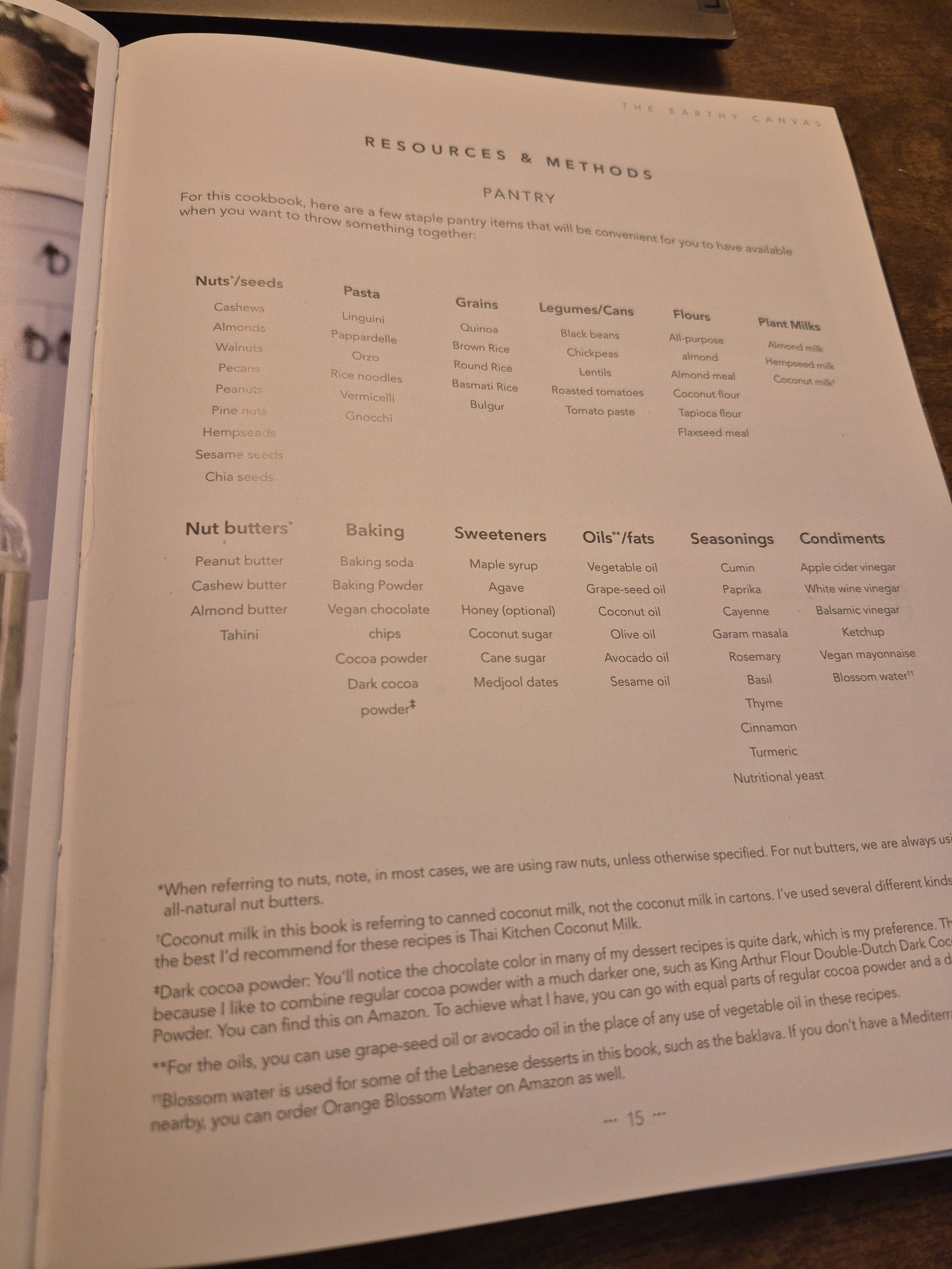
Resourses and Methods Page
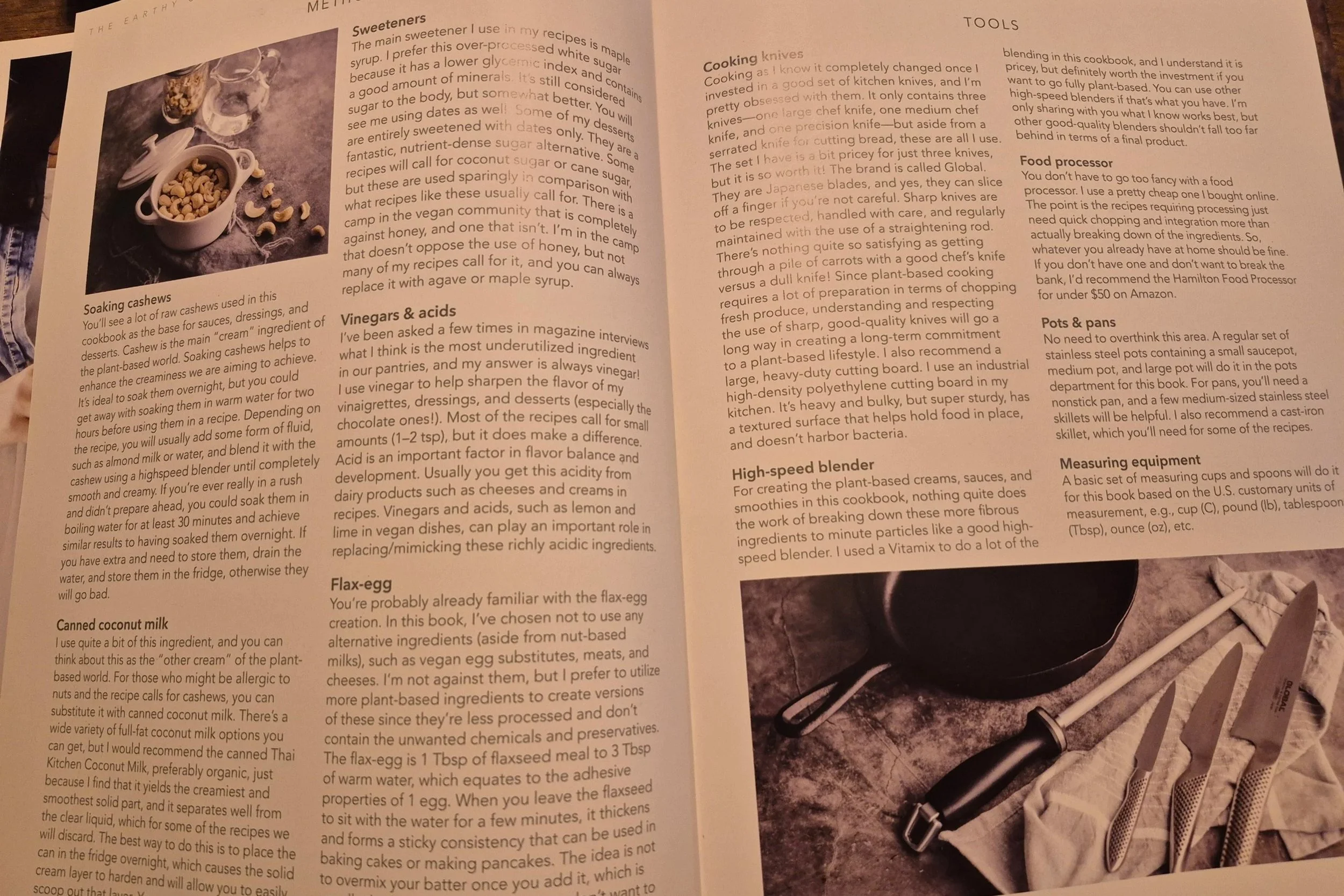
Equipment Page
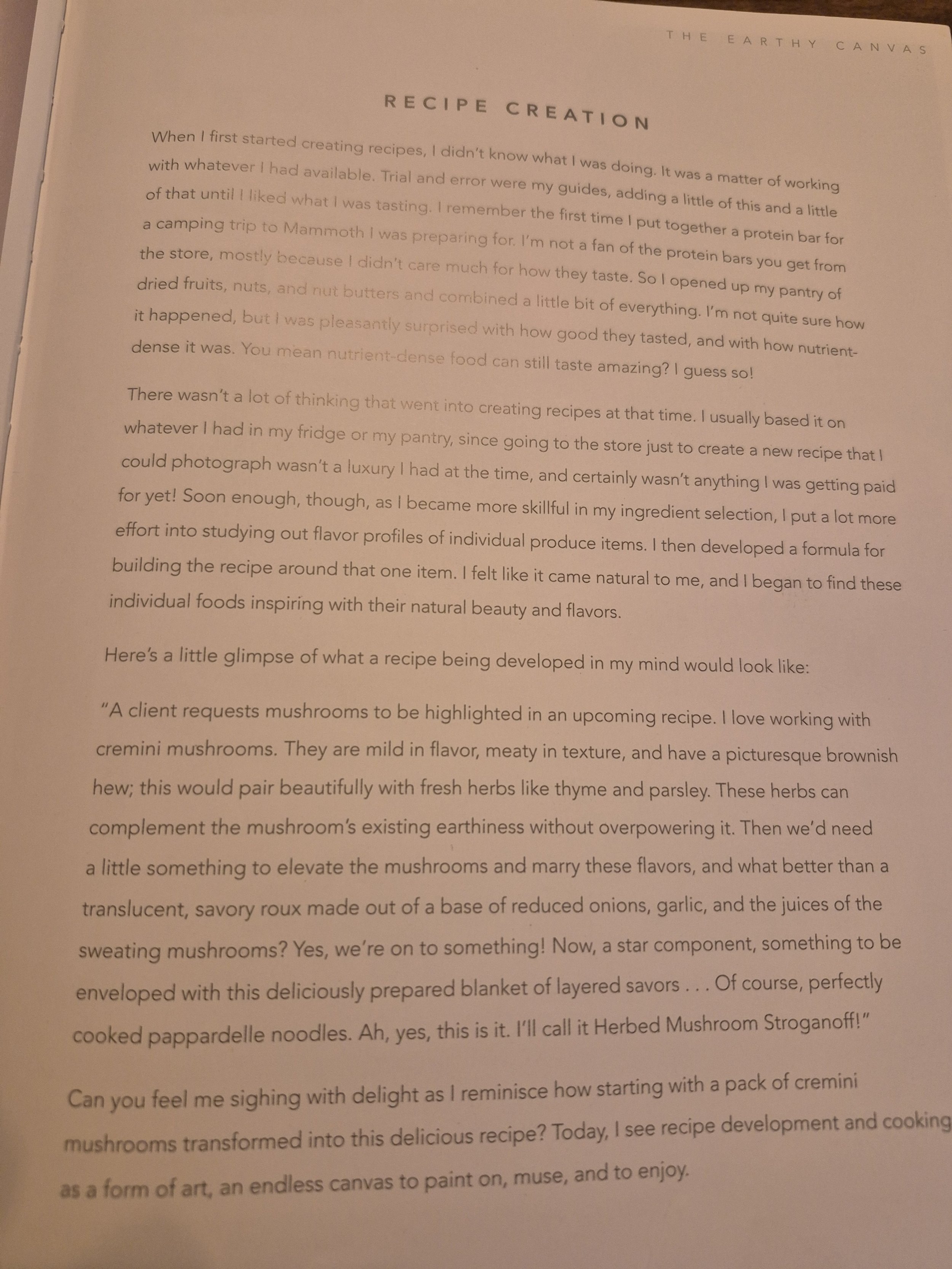
Instructions for Recipe Creation
Flow of analysis: How the book guides you
· Purpose: Introduce plant-based cooking as joyful stewardship.
· Method: Teach flavor architecture and practical nutrition inside the recipe flow.
· Design: Use clear navigation, friendly headnotes, and cohesive photography to keep you cooking.
· Payoff: Repeatable techniques (especially sauces, spice toasting, and acid balancing) that make the recipes—and your own cooking—more reliable and bright.
Craft and design choices that help you cook
· Voice: Compassionate and encouraging, with the authority of a registered dietitian—confident but never clinical.
· Layout: Ingredient lists are clean and scannable; steps are broken into manageable moves with sensory cues (look, smell, texture) that reduce guesswork.
· Visuals: Earth-toned photography and natural light make the food look abundant and achievable. The styling supports, rather than overshadows, the cooking.
· Navigation: Useful indexing and cross-referencing by ingredient and dish type make it easy to cook from what you have.
Original reflections: why it works
· The book teaches you to hear the music of flavor—wake spices, add lift with citrus or vinegar, cushion with creaminess (nut butters, blended legumes, or good olive oil), finish with crunch or herbs. Once you recognize that pattern, you start improvising with confidence.
· Nutrition advice arrives at the exact moment it’s actionable—when to rest grains to keep them fluffy, how to preserve chlorophyll in greens, or simple swaps to accommodate common allergens—so it feels like support, not rules
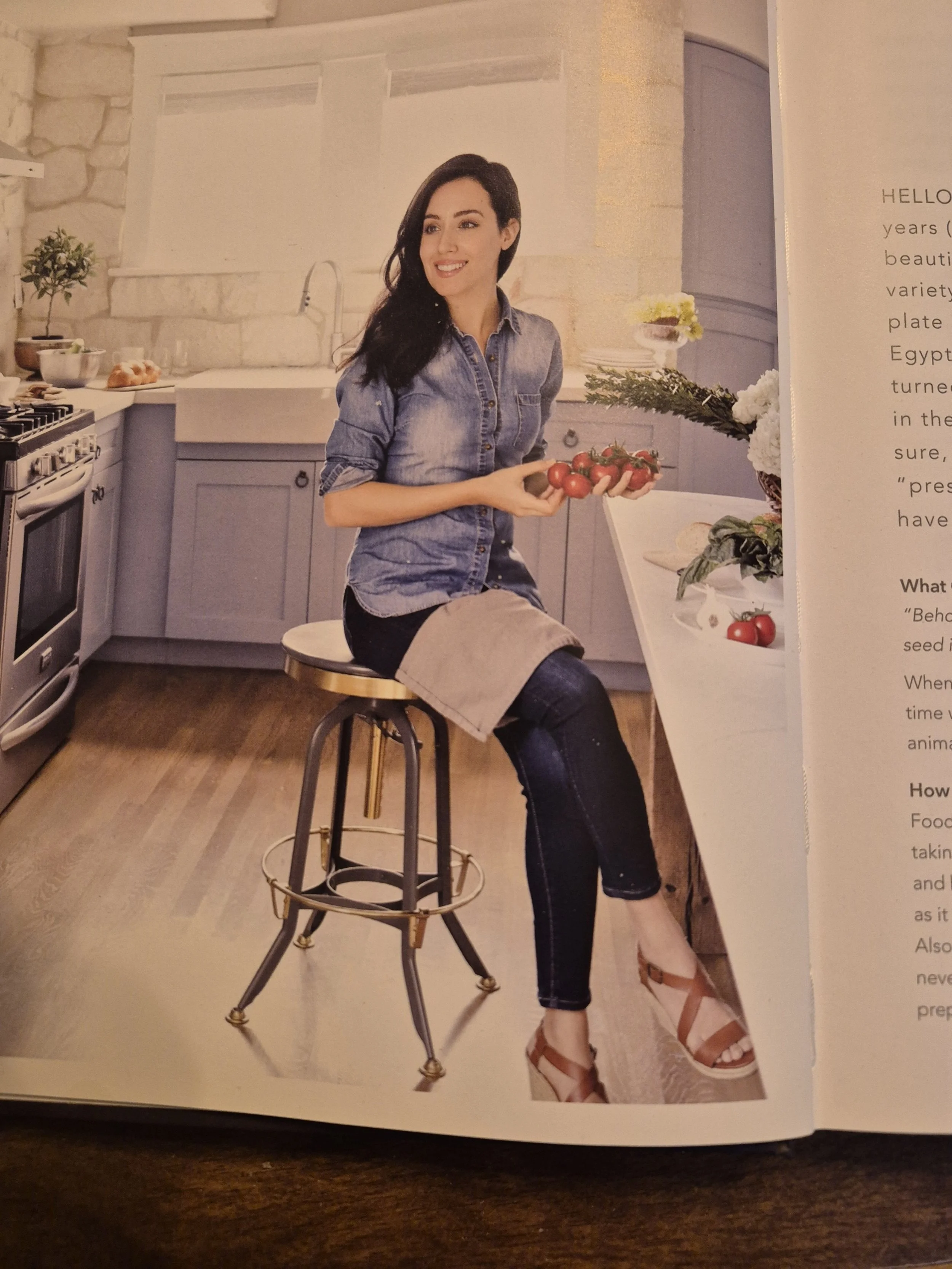
The faith perspective deepens, rather than narrows, the conversation.
The faith perspective deepens, rather than narrows, the conversation. The verse she quotes about eating and drinking as a way to honor God frames cooking as gratitude in action. Even if you don’t share her beliefs, the invitation to care—for guests, growers, and your own health—translates universally.
Verdict Earthy Canvas Vegan Cookbook succeeds as both a teaching text and a source of weeknight inspiration. It’s polished, practical, and quietly persuasive—proof that plant-based food can be abundant, flavorful, and values-driven without losing the simple joy of a good meal.
Attribution
· Book: Earthy Canvas Vegan Cookbook by Fay Kazzi, PhD, MS, RD.
· This review is original and independent. If you’d like, share the specific verse quoted in your copy and a couple of favorite recipes you’re curious about, and I can tailor this review to include those details.
